The Pros and Cons of Using Credit Cards to Build Personal Credit
The Power of Credit Cards in Financial Management
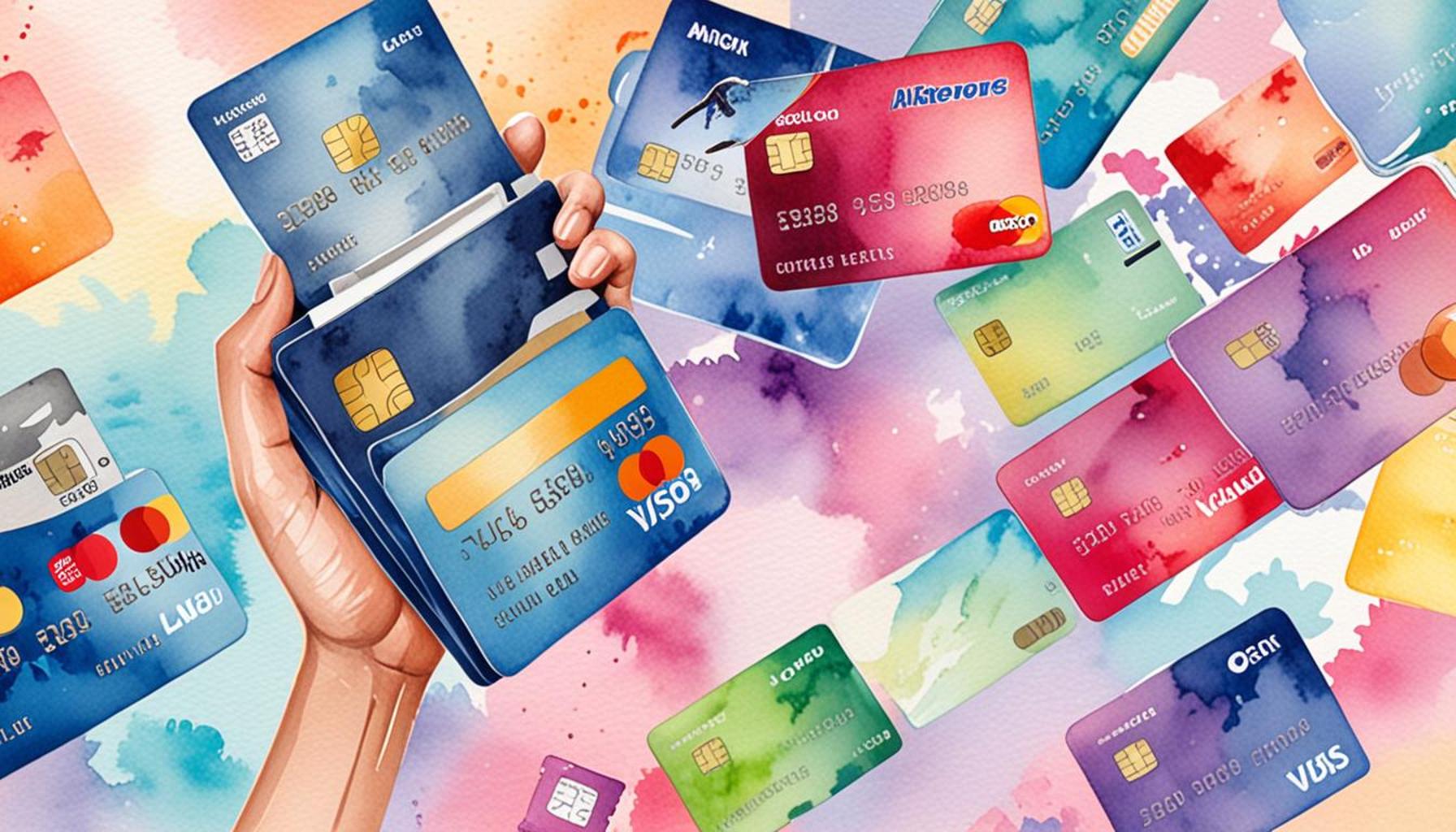
Credit cards are more than just a convenient way to make purchases; they can also be a key component in managing your finances effectively. When wielded wisely, they can significantly enhance your personal credit score and open doors to better financial opportunities. However, it is crucial to approach credit cards with a clear understanding of both their advantages and potential pitfalls.
One of the primary draws of credit cards is their convenience. Imagine shopping online for your favorite products late at night or handling emergencies that require immediate attention. With a credit card, you have the ability to make purchases with just a swipe or a few clicks. This level of accessibility cannot be overstated, especially in a world where speed and efficiency matter more than ever.
Moreover, many credit cards offer enticing rewards programs. From cashback on everyday purchases to points that can be redeemed for travel or gift cards, these benefits can add significant value to your spending. For instance, if you frequently travel, you might opt for a travel credit card that earns you miles towards your next vacation flight. These rewards can lead to substantial savings over time, making responsible credit card usage not just beneficial but also rewarding.
Another significant benefit is the ability to build a positive credit history. Using a credit card regularly, and paying it off on time, can boost your credit score. A higher credit score can facilitate lower interest rates on loans or even easier approval for mortgages. In a country like the United States, where credit history is often a determining factor for financial products, having a solid record can be a game-changer.
However, it’s crucial to remain vigilant about the downsides associated with credit cards. One of the most pressing concerns is debt accumulation. With the ease of swipe-and-go, many find themselves overspending, which can lead to mounting credit card debt. It’s all too easy to lose track of how much you’re charging, and before you know it, you might find yourself in financial trouble.
Additionally, credit cards often come with high interest rates. If balances are not paid in full within the grace period, the accruing interest can quickly negate any rewards earned, becoming a liability rather than an asset. It’s essential to adopt a disciplined approach to managing payments to avoid falling into this trap.
Finally, remember that your credit score can be severely impacted by missed payments. Even a single late payment can result in a drop in your credit score, affecting your ability to secure loans in the future. Awareness of your payment due dates and setting reminders can help prevent this from happening.
By understanding these pros and cons, you can make informed choices regarding the incorporation of credit cards into your financial strategy. Your journey toward financial empowerment begins with conscious decisions. By leveraging the benefits while remaining aware of the risks, you can use credit cards to build a strong financial future. Recognize their potential, practice responsible habits, and stay committed to managing your finances wisely. Your future self will thank you.
DISCOVER MORE: Click here to learn how to navigate investment trends during crises
Weighing the Benefits of Credit Cards
When it comes to building personal credit, credit cards offer a range of advantages that can pave the way for greater financial flexibility and opportunities. However, like all powerful tools, they should be handled with care and respect. Understanding the benefits can empower you to harness credit cards effectively while avoiding common pitfalls.
One of the most compelling reasons to use credit cards is the ability to establish a solid credit history. Each time you use your credit card and make your monthly payments on time, you are contributing to a positive credit report. This is crucial because lenders in the United States often look at your credit history when making decisions on loan approvals, interest rates, and even job applications in some cases. A well-maintained credit score can lead to:
- Lower interest rates on mortgages, auto loans, and personal loans
- Easier access to higher credit limits
- Better opportunities for rental housing or insurance
Moreover, credit cards can provide an excellent financial buffer during emergencies. Whether it’s an unexpected car repair or a medical bill, a credit card can give you the breathing room to manage unexpected expenses without derailing your carefully crafted budget. This safety net can serve as a vital component in your overall financial strategy.
In addition to establishing credit, many credit cards offer various incentives and perks that can enhance your everyday spending. From cashback rewards to travel points, these advantages can make your purchases work for you rather than against you. Imagine purchasing groceries and earning cashback that adds up to your next vacation. Utilizing a card with rewards can turn routine spending into a rewarding experience, making your money go further.
However, maintaining a credit card comes with responsibilities, and understanding these is essential for navigating the financial landscape. The most significant con of credit card use is the potential for excessive debt. With the convenience of credit cards, it’s easy to succumb to impulse purchases and overspend. Therefore, creating and adhering to a budget is crucial to ensure your credit card remains a tool for empowerment rather than a source of stress.
Moreover, credit cards typically come with high interest rates on outstanding balances. If you do not pay off your balance in full each month, you risk accruing interest that can quickly diminish the benefits of any rewards you may earn. This financial burden can create a vicious cycle, resulting in increasing debt that’s hard to escape. To counter this risk, always strive to pay your bill on time and in full to leverage the benefits while minimizing costs.
Being aware of these crucial aspects of credit card management can make a substantial difference in your financial journey. By utilizing credit cards responsibly, you can effectively build your credit score and create a foundation for future financial success. It’s all about being informed, staying disciplined, and transforming this powerful tool into an asset for your financial stability.
DISCOVER MORE: Click here for your loan application guide
Navigating the Drawbacks of Credit Card Use
While the benefits of credit cards are compelling, understanding the drawbacks is equally crucial to establishing a healthy financial journey. To transform your financial habits into long-term success, it’s essential to recognize these risks while maintaining the balance necessary for responsible credit card use.
Another significant drawback of credit card ownership is the potential impact on credit scores from high credit utilization. Lenders typically prefer to see credit utilization ratios – the percentage of available credit you are currently using – below 30%. Using a significant portion of your credit limit can signal to lenders that you may be struggling financially, thus negatively affecting your credit score. Therefore, it’s important to monitor your expenditures and, if possible, keep your utilization ratio low by utilizing multiple cards and spreading out your purchases.
Additionally, the temptation of credit cards can lead to financial irresponsibility. The access to instant funds can blur the line between needs and wants. Many people fall into the trap of using credit cards to fund an extravagant lifestyle instead of keeping their spending aligned with their income. This behavior can breed a cycle of borrowing that compounds debt and stress. Building a budget that segregates essentials from luxuries can help mitigate this risk and reinforce financial discipline.
Moreover, credit cards often come with various fees that can catch unprepared users off guard. Annual fees, late payment charges, and over-the-limit fees can add up quickly if you’re not vigilant. It’s essential to read the fine print before selecting a credit card, so you can choose one that fits your lifestyle without incurring unnecessary costs. Remember, the card with the best rewards may not always be the best option if its associated fees exceed the benefits.
Education is also critical in avoiding predatory practices common in the credit card industry. Some companies may market promotional offers that seem appealing but come with hidden terms, such as high interest rates after an initial low rate or misleading introductory periods. It is vital to conduct thorough research and understand the long-term implications of your choices. Knowledge is power, and being informed can save you from pitfalls that lead to financial strain.
Moreover, credit card debt can have adverse effects on mental health. The stress of owing money can be overwhelming and lead to anxiety, depression, or even relationship issues. Acknowledge your feelings and priorities. If you find yourself struggling under the weight of credit card debt, consider seeking advice from a financial advisor or enrolling in a financial education program. Taking the control back can be a liberating step toward improving your financial well-being.
Ultimately, using credit cards to build personal credit is not just about enjoying the privileges they bring; it’s about wielding them responsibly and intentionally. By remaining alert to the potential pitfalls and staying disciplined in your financial choices, you can turn your credit card journey into a positive pathway toward future stability and success. Embrace the power of knowledge to make decisions that reflect your true financial aspirations.
DIVE DEEPER: Click here to learn how to safeguard your investments
Final Thoughts on Building Personal Credit with Credit Cards
In conclusion, using credit cards can be a powerful tool for building personal credit, but it comes with its share of advantages and drawbacks. The ability to establish a credit history and improve your credit score can open doors to better financial opportunities, such as lower interest rates on loans and increased borrowing power. However, responsibility and discipline must be at the core of your credit card usage to ensure these benefits do not become overshadowed by the risks associated with mismanagement.
As you consider whether to use credit cards as part of your financial strategy, it is essential to weigh the benefits against potential pitfalls like high credit utilization, debt accumulation, and hidden fees. Take the time to educate yourself about the terms of your credit card agreements, understand the impact of your spending habits on your financial health, and always prioritize your budget. Remember that it is not merely about the rewards or perks offered; it is about building a solid foundation for your future.
Ultimately, the journey towards financial wellness starts with informed choices and strategic planning. By approaching credit cards with caution and commitment, you can harness their potential to enhance your financial stability while avoiding the traps of debt and financial strain. Empower yourself with knowledge, stay disciplined in your spending, and strive toward achieving your long-term financial goals. Your responsible actions today will pave the way for a secure and prosperous tomorrow.